
Low-Impact Development
Low Impact Development (LID) is a type of smart growth that simultaneously conserves green space and manages stormwater effectively. Unlike traditional land use designs, LID promotes natural stormwater management techniques that minimize runoff and help prevent pollutants from getting into the runoff. In some cases, these practices decrease the size of traditional retention and detention basins and can be less costly than conventional stormwater control mechanisms.
Examples
of LID strategies include:
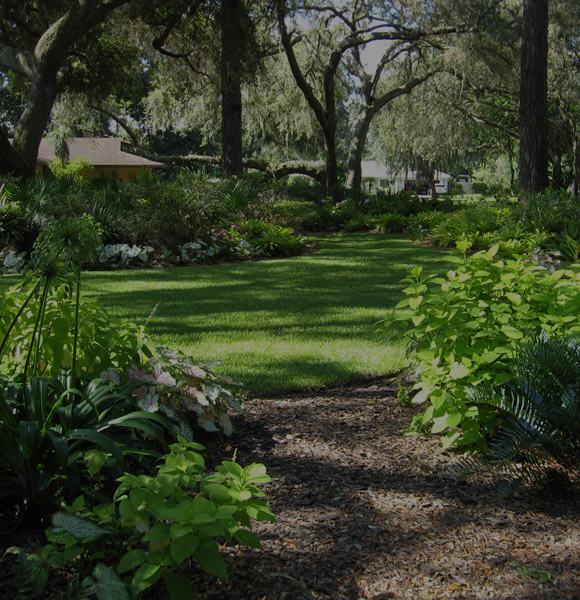
Conserved Green Space
Natural terrain protects soils from disturbance and compaction.
Permeable Pavement
Hard, yet penetrable, surfaces reduce runoff by allowing water to
move through them into groundwater below.
Reduced Roadway Surfaces
Reducing roadway surfaces results in more permeable land area.
Disconnected Impervious Areas
Separate
localized detention areas help limit the velocity and amount of water
that must be handled by end-of-pipe water quality and quantity facilities.
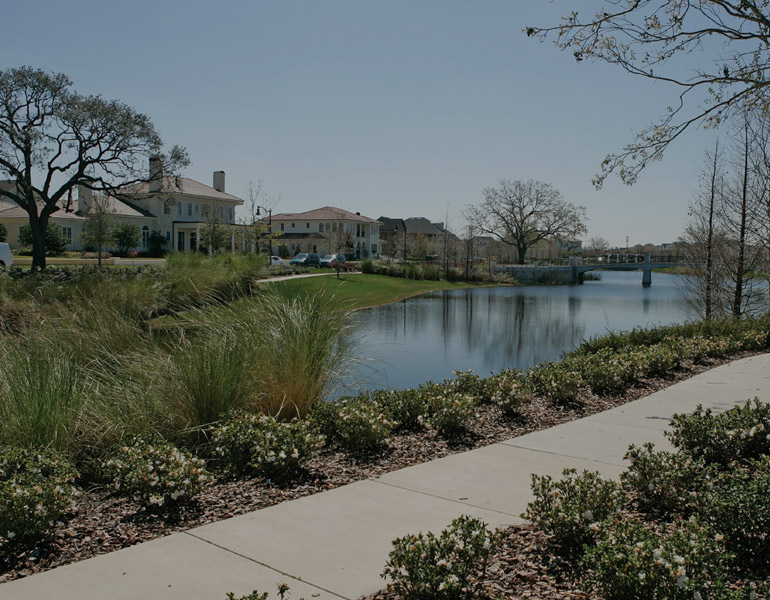
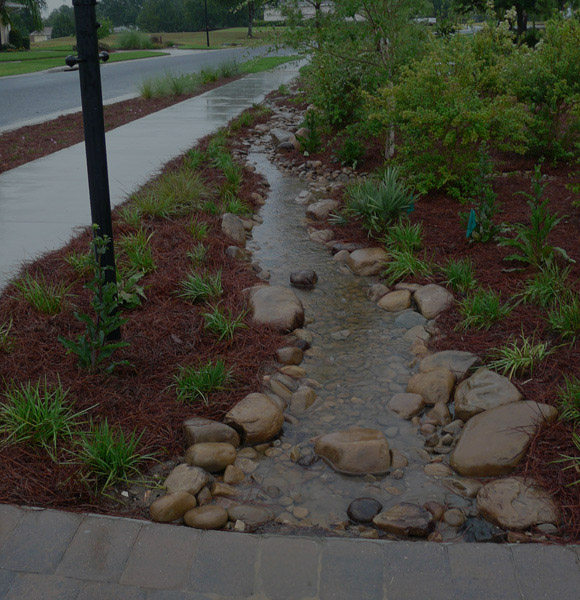
Vegetated Swales
An alternative to curb and gutter systems, vegetative swales convey
water, slow runoff, and promote infiltration. Swales may be installed
along residential streets, highways, or parking lot medians.
Green / Eco-roof Systems
These systems can significantly reduce the rate and quantity of runoff
from a roof and provide buildings with thermal insulation and improved
aesthetics.
Bio-Retention
Basins & Rain Gardens
Small vegetated depressions in the landscape collect and filter stormwater
into the soil.
Clustered Homes
Concentrating structures to smaller areas preserves more open space
and natural areas to be used for recreation, visual aesthetics, and
wildlife habitat.
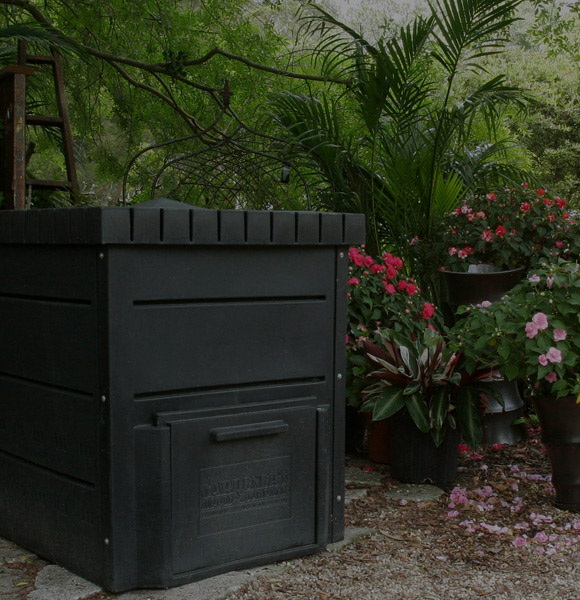
Stormwater Reuse
Surface ponds, underground catchment devices, or surficial aquifers
store rainfall for future irrigation reuse. Smaller scale reuse systems
include cisterns and rain barrels.
Enhanced
Stormwater Basins
Stormwater ponds do not need to be “big muddy ponds.” They should
include a variety of wetland plants and topography that promote natural
water treatment.
Video:
Developing a Better Way - Using
Low Impact Development Practices
Related Resources:
Energy Efficient Homes: Landscaping
(EDIS publication)
Program for Resource Efficient Communities (website)