
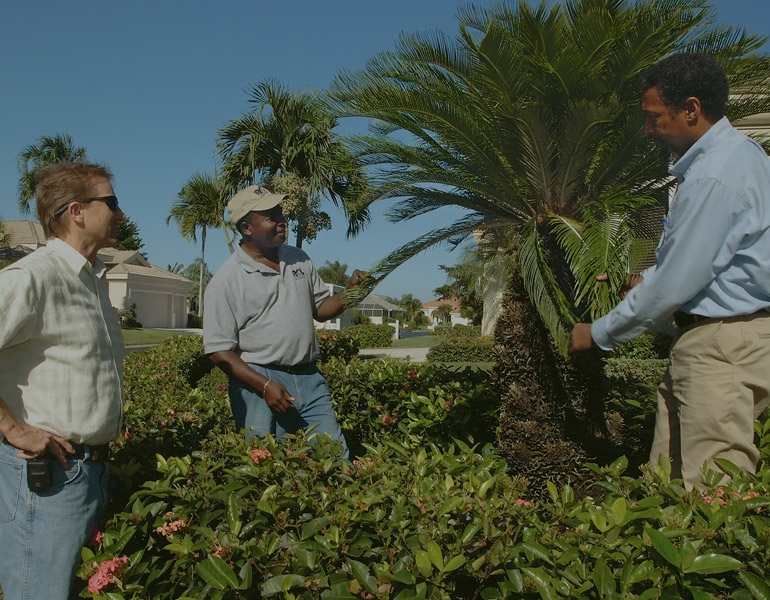


Strategies to help you reach the goal of a
Florida Friendly Yard

Water Efficiently Why?

  • Choose drought-tolerant plants for your landscape
  • Group plants with similar water needs together
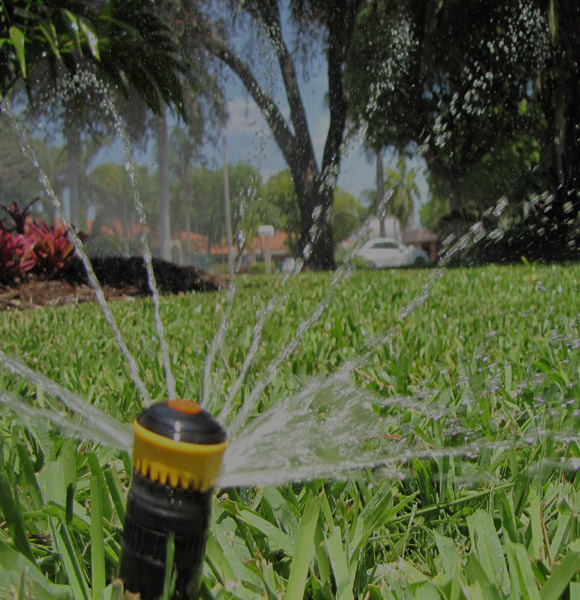
  • Use low-volume irrigation such as a drip or micro-spray system in your plant beds
  • Design or modify your sprinkler system to water your lawn separately from plant beds
  • Water your lawn and plants only when they show signs of stresslet your plants tell you when they need water
  • Put a rain gauge in your yard to track rainfall and avoid unnecessary watering
  • Connect an automatic rain shutoff device to your sprinkler system (required by Florida state law)
  • Have a soil moisture sensor or other smart irrigation technology connected to your irrigation system
  • Mow lawns high to encourage a deeper, more drought and pest-tolerant root system

Right Plant, Right Place. Why?

  • Select drought tolerant and low-maintenance plants that correspond to your sites natural soil, light, and water conditions.
  • Reduce yard waste by selecting plants that wont require frequent pruning
  • Help stop the spread of invasive plants by removing them from your yard.

Fertilize Appropriately Why?

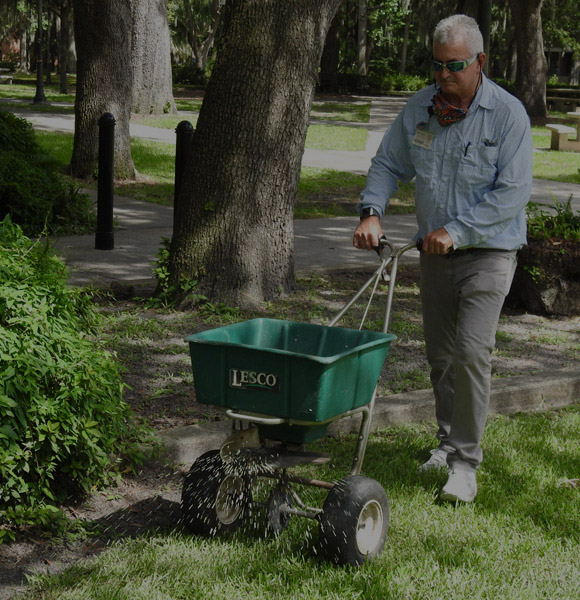
  • Fertilize only if needed
  • Use compost and other soil amendments to improve soil health
  • Choose fertilizers that contain 30% or more slow-release nitrogen
  • If needed, use iron (ferrous sulfate or chelated iron) instead of nitrogen to make your lawn green in the summer
  • Use slow-release fertilizer not exceeding the rate of 1 pound of nitrogen per 1,000 square ft during each application. (For quick release fertilizer, which is not recommended, do not exceed the rate of a pound nitrogen per 1,000 square ft for each application.)
  • Dont use weed and feed products that contain both fertilizer and herbicide together

Mulch Why?

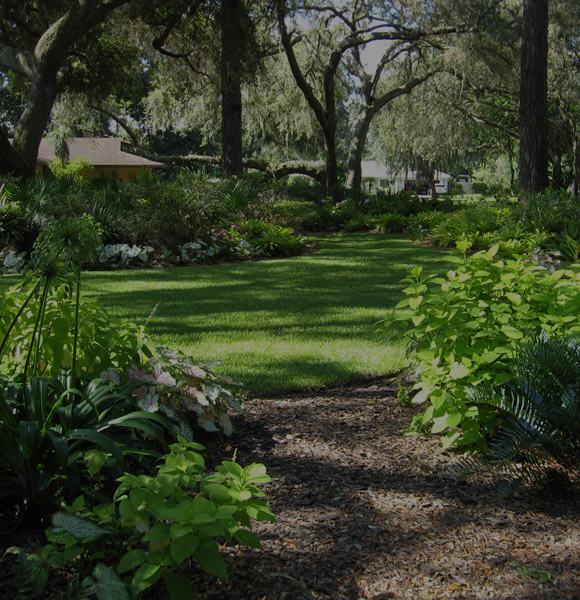
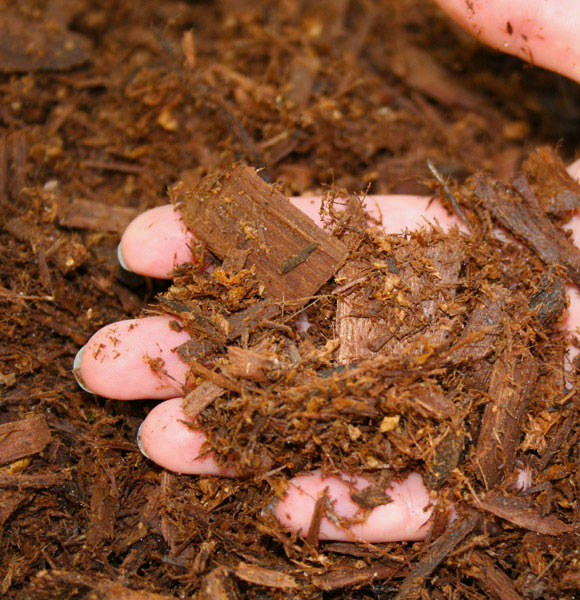
  • Maintain 2 to 3 inches of mulch over the roots of trees, shrubs, and plant beds
  • Use mulch or groundcovers to replace grass in difficult-to-reach areas such as narrow strips between beds or in very shady spots
  • Create self-mulching areas under trees where fallen leaves remain on the ground
  • Choose recycled mulch or by-product alternatives (Melaleuca, leaves, pine needles, or bark), and avoid unsustainable cypress mulch
  • Leave at least 2 inches space around the base of trees and plants when applying mulch

Attract Wildlife Why?

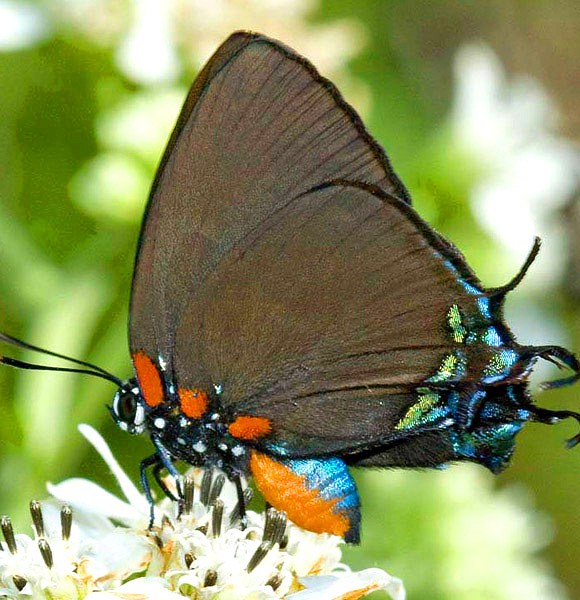
  • Plant native vines, shrubs, and trees that provide cover, nesting areas, and food
  • Provide a water source, such as a bird bath or small pond
  • Incorporate shelters like a birdhouse, bat house, brush pile, or snag (dead tree)

Manage Yard Pests Responsibly Why?

  • Choose pest resistant plants and keep them healthy
  • Avoid over-fertilizing and over-watering, which can make plants more susceptible to pests and disease
  • Be willing to accept some pest damage
  • Avoid routine applications of pesticidesapply pesticides only if and when needed
  • Treat only affected areas rather than spraying your entire lawn or yard
  • Check plants regularly for signs of pest problemsearly detection makes pest management much easier
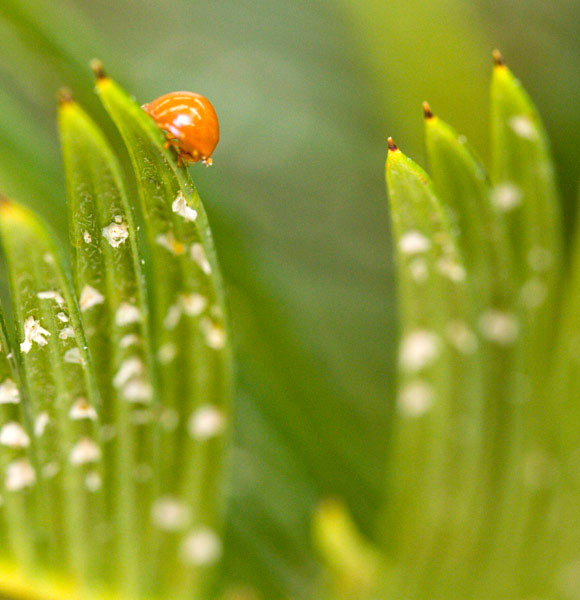
  • Provide habitat for beneficial insects and remove pest insects by hand
  • Use environmentally friendly pest controls such as horticultural oils, Bacillus thuringiensis (BT), and insecticidal soaps

Recycle Yard Waste Why?

  • Leave grass clippings on the lawn to recycle nitrogen
  • Use fallen leaves and pine needles as mulch under trees and shrubs
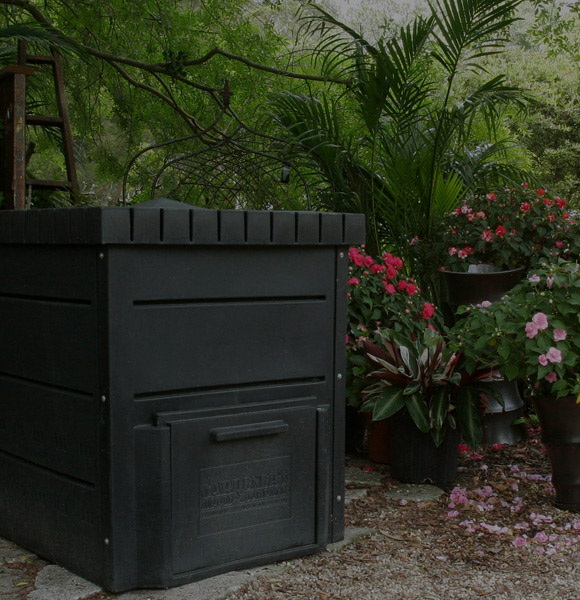
  • Create and maintain a compost pile with kitchen scraps and yard waste

Reduce Stormwater Runoff Why?

  • Direct downspouts and gutters to drain into the lawn, beds, or rain barrels and cisterns
  • Use gravel, pavers, crushed shell, or mulch for walkways, patios, and driveways to absorb water and prevent runoff
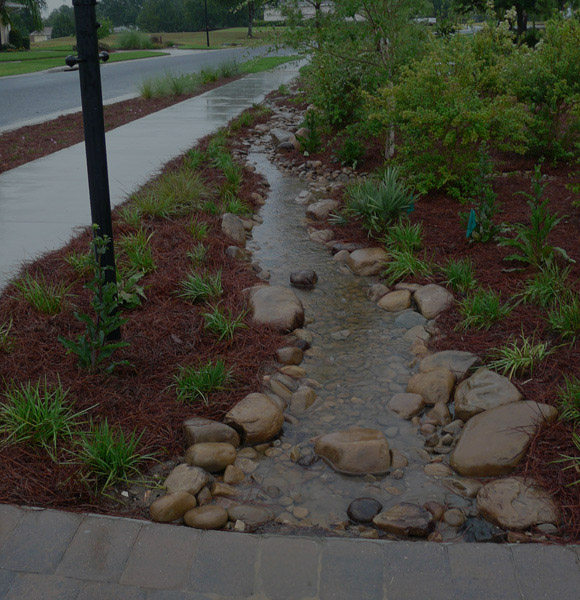
  • Create swales (low areas) or a rain garden to collect and filter rainwater
  • Sweep grass clippings, fertilizer, and soil off driveways and streets back onto the lawn
  • Remove trash from street gutters before it gets washed into storm drains
  • Clean up oil spills and leaks on the driveway with kitty litter and then sweep it into the trash
  • Pick up after your pets

Protect the Waterfront Why?

  • Establish a fertilizer- and pesticide-free area along your shoreline of at least 10 feet
  • Remove invasive exotic plants from the water by cutting, pulling, or raking (check with your local Department of Environmental Protection office first to find out if you need a permit)
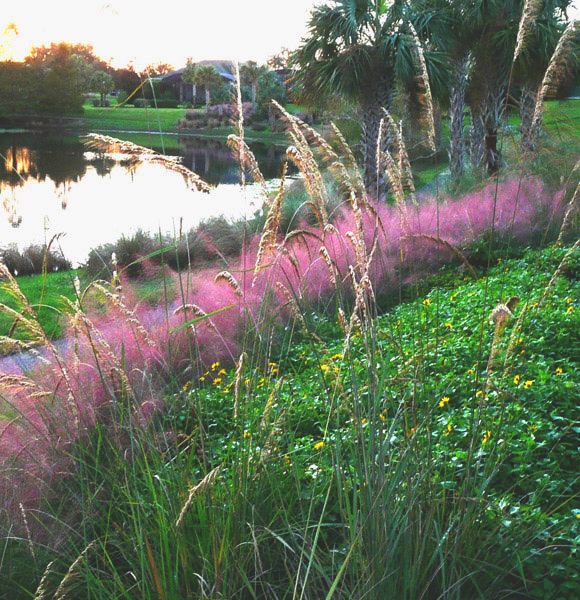
  • Plant a buffer zone of low-maintenance plants between your lawn and the shoreline to absorb nutrients and provide a wildlife habitat
  • Plant native aquatic vegetation in front of your seawall or along your shoreline