

Do your part to reduce waste by choosing reusable products instead of disposables. Buying products with minimal packaging (including the economy size when that makes sense for you) will help to reduce waste. And whenever you can, recycle paper, plastic, newspaper, glass and aluminum cans. If there isn't’t a recycling program at your workplace, school, or in your community, ask about starting one. By recycling half of your household waste, you can save 2,400 pounds of carbon dioxide annually.
Recycling is the process of separating, collecting, processing, marketing, and reusing materials that would have otherwise been thrown away. When a product has been recycled and reused as a new product, the usage loop has been closed. For example, glass is 100% recyclable and can be used over and over again without any loss of quality.
Waste disposal is a critical issue for all communities, as there is no easy way to get rid of garbage other than by reducing the amount of waste generated. In the United States, each person generates about 4.4 pounds of waste per day. That's enough garbage to fill a convoy of trash trucks halfway to the moon each year!
Sort through your trash! It's the best way to discover where you can reduce waste. Is there anything reusable or repairable? Can you reduce the amount of disposable products you use?
Next time you purchase goods and products look for the three R's.
This term is used to describe the last and most important step in the recycling process. It refers to the point when a consumer buys a recycled product after it has been put into a recycling program and processed into a new item.
Check with your city or county. Many municipalities collect the following items for recycling:
Aluminum: beverage containers, canned foods containers - Why recycle aluminum? By recycling one aluminum can, you can save enough energy to run a TV set for 3 hours.
Plastics: soda bottles, milk jugs, plastic bags (at grocery stores), detergent containers - Why recycle plastic? Five recycled plastic bottles makes enough fiberfill to stuff a jacket.
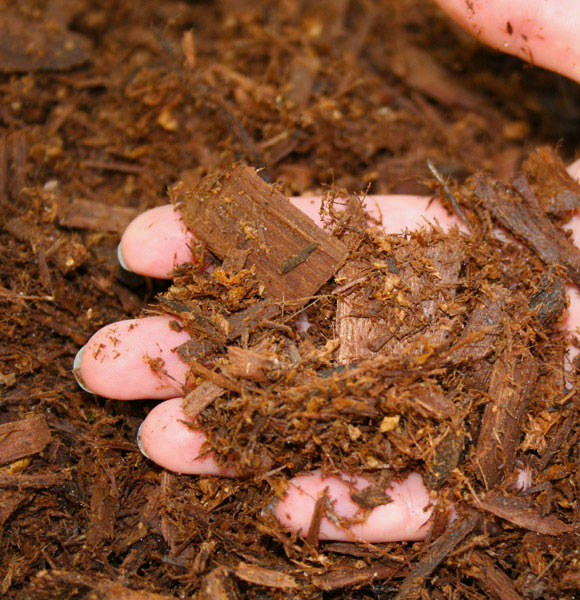
Yard trimmings: grass, leaves, clippings all by composting - Why recycle yard trimmings? Reuse these to mulch your yard!
Electronics: Many organizations accept donations of electronics for recycling. Items typically recycled are computer monitors, CPU's (Central Processing Units), televisions with cathode ray tubes and flat panel displays, printers, laptops, cables, keyboards and mice
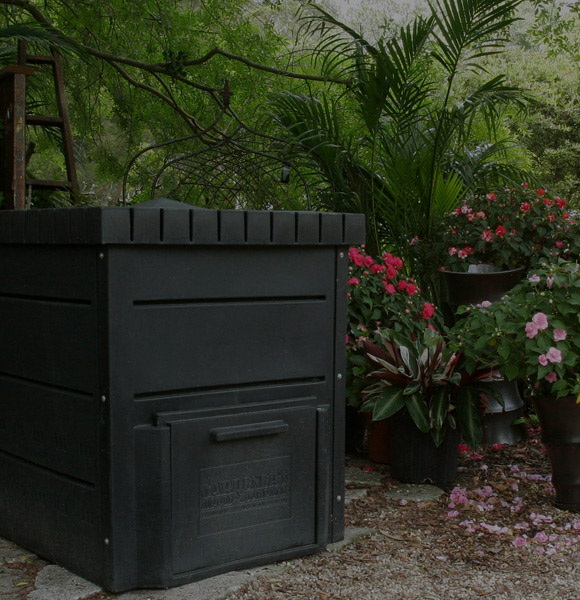
You may not have given it much thought, but food scraps and food soiled paper are one of the largest contributors to our household waste stream. Food scraps, such as fruit and vegetable parings, coffee grounds and eggshells, are valuable resource that can be recycling right at home. Instead of taking up space in the landfill, your food scraps can be composted and used to supplement your landscape. Compost helps improve soil fertility and texture as well as soil moisture and nutrient retention. Better yet, its so easy, anyone can succeed at composting.