You need to upgrade your Flash Player to view this content.
Attracting wildlife video.
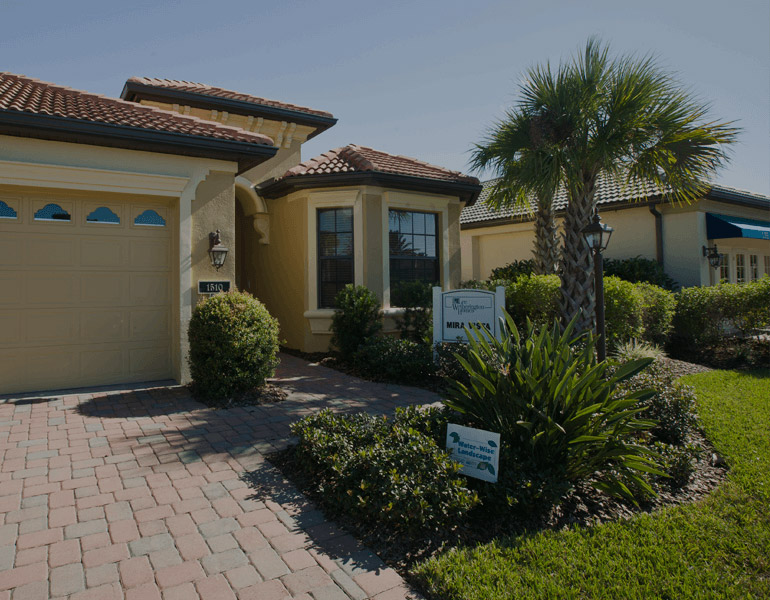
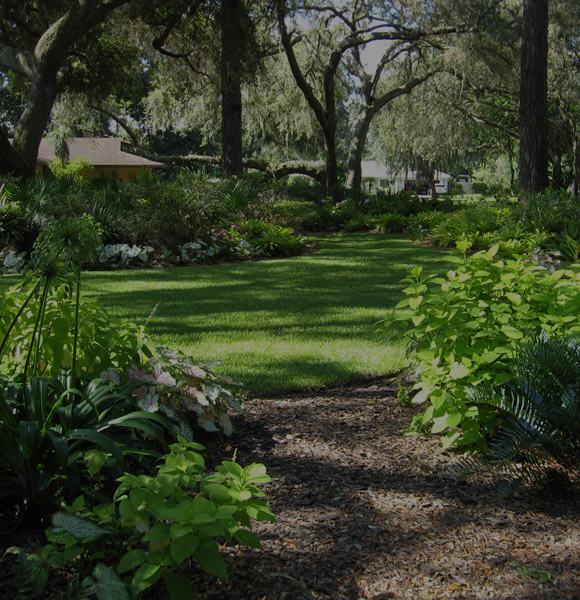
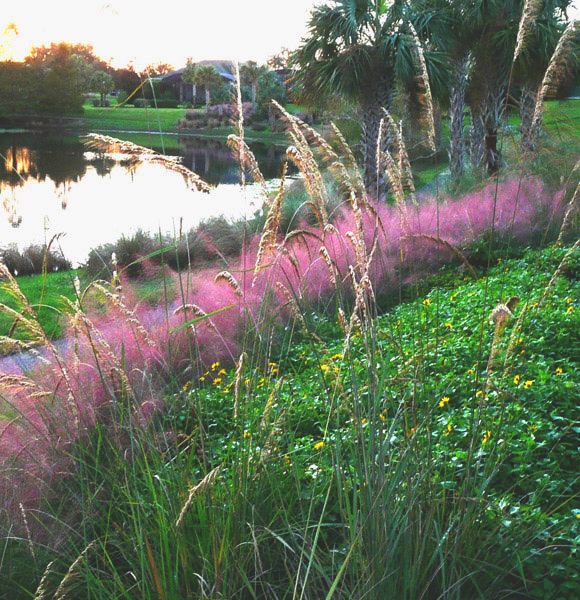
Urban development throughout most of Florida has resulted in a dramatic loss of native wildlife habits. You can "green up" your community by creating a landscape that attracts wildlife. Providing plants that serve as food sources as well as shelters can increase the number and variety of wildlife species that will come and live in your yard.
Plants that bear seeds, fruit, nuts, and flowers are a great food source and are a treat for wildlife.
Strive to create landscaped islands and natural corridors of plants that will connect bordering properties. Animals will travel from one natural area to another. For more information on landscaping for wildlife, please visit Living Green.


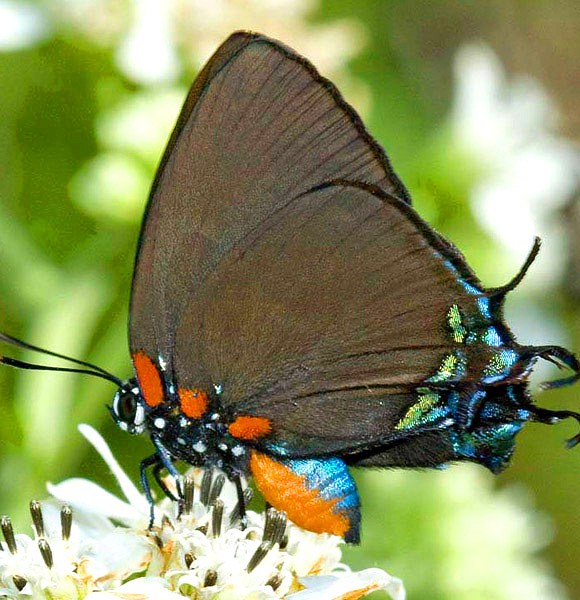
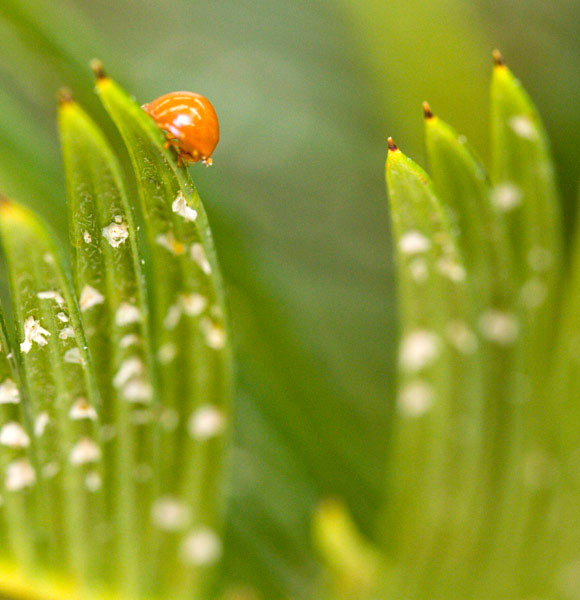
Adding a few features for wildlife will bring your yard to life with birds, butterflies, and beneficial critters. With more than 1,200 kinds of animals found in Florida, you are bound to enjoy the wildlife that will want to make your landscape home. To learn more about local wildlife and what you can do to live with and enjoy them, visit Living Green: Wildlife.
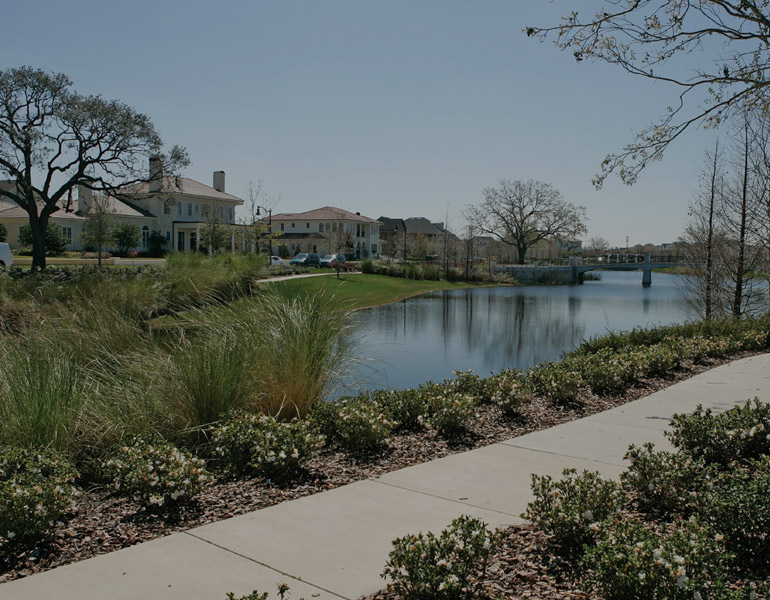
Even small backyard ponds are beneficial to wildlife. A balanced system including fish and plants won't need a pump or filters (as long as you don't feed the fish).
When planting to attract wildlife, consider using a mix of healthy natives and non-natives that provide food or shelter to birds, butterflies, bats, and other wild creatures. Remember to increase vertical layering in your landscape: plant a variety of trees, shrubs, grasses, flowers, and groundcovers in different sizes and heights. This will offer more cover and feeding opportunities for diverse species of wildlife. Avoid planting invasive exotics like Brazilian pepper, air potato, and tropical soda apple, and remove these from your landscape whenever possible. For more information on landscaping for wildlife in Florida, visit http://www.wec.ufl.edu/extension/landscaping. To learn more about invasive plants, visit http://plants.ifas.ufl.edu/assessment/conclusions.html.